Once you clear JEE Main and become eligible for JEE Advanced, the preparation approach needs to change. At this stage, simply covering theory is not enough. The focus shifts to solving complex, multi-concept problems and improving accuracy under pressure.
One common mistake many students make is collecting too many books. In reality, most toppers rely on a limited set of resources and revise them multiple times. This article lists those books along with a practical way to use them.
Physics Books for JEE Advanced
Start with Concept Clarity

This is usually the first book serious aspirants complete properly. It builds a strong base and helps in understanding how to approach problems logically instead of memorizing formulas.
Move to Structured Practice
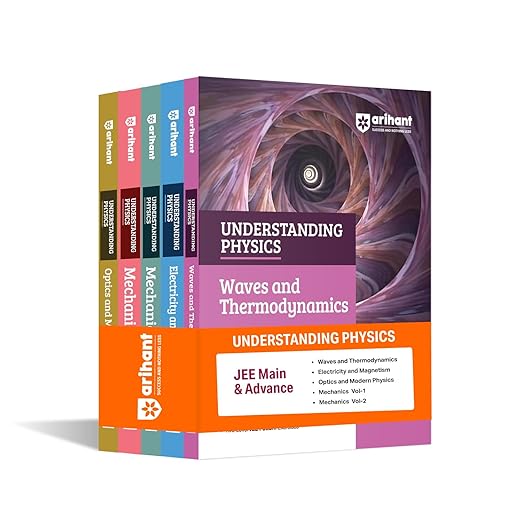
Understanding Physics Series – D.C. Pandey
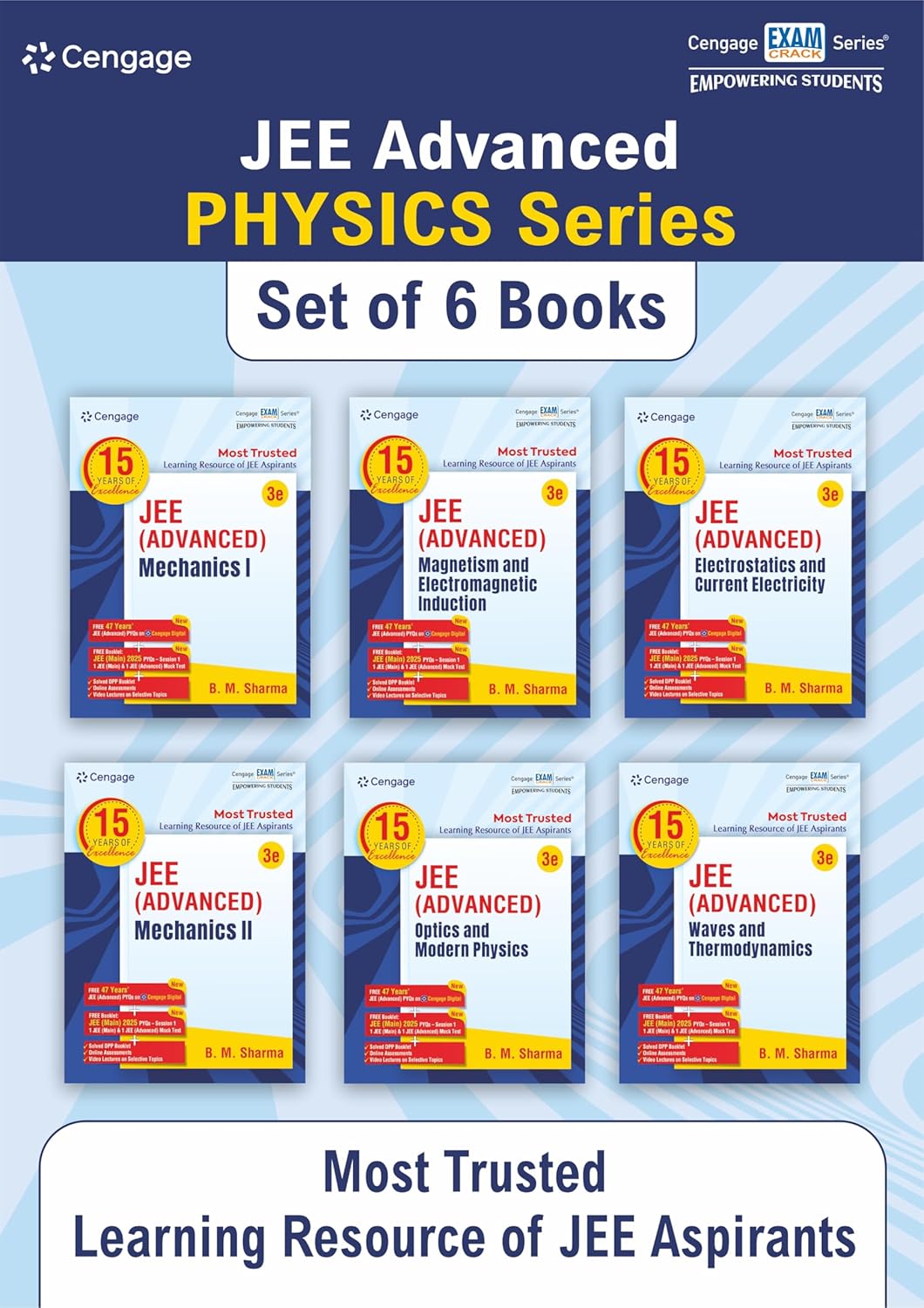
Cengage Physics – B.M. Sharma
After concepts are clear, these books help in gaining enough practice. They cover a wide range of questions and gradually increase the difficulty level, which is useful before moving to advanced problems.
For Higher-Level Problem Solving

Problems in General Physics – I.E. Irodov
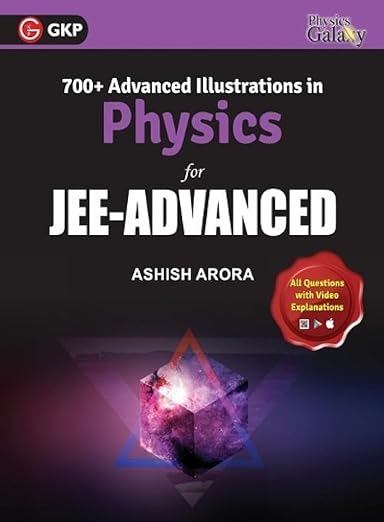
Physics Galaxy Advanced Illustrations
These books are not for beginners. They are meant for students who are comfortable with concepts and want to push their problem-solving ability to a higher level.
Chemistry Books for JEE Advanced
Chemistry often becomes a scoring subject if prepared properly, especially because some parts are more predictable compared to Physics and Maths.
Physical Chemistry
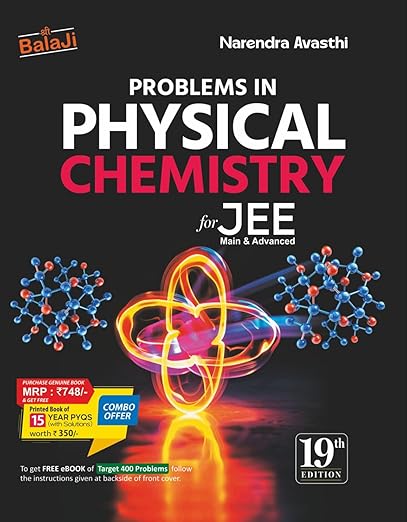
Physical Chemistry – N. Avasthi

Cengage Physical Chemistry
These books are useful for practicing numericals. The key here is not just solving questions but understanding the method behind each solution.
Organic Chemistry

Organic Chemistry requires practice. This book is commonly used to strengthen reaction mechanisms and improve confidence in advanced questions.
Inorganic Chemistry

For Inorganic Chemistry, NCERT is the primary source. Many questions are directly or indirectly based on NCERT content, so repeated revision is important.
Mathematics Books for JEE Advanced
Mathematics plays a major role in deciding rank, especially because it requires both accuracy and speed.
Core Preparation

Cengage Mathematics Series – G. Tewani

Arihant Skills in Mathematics – Amit Agarwal
These books cover the full syllabus and provide enough practice for most students. They are suitable for building both concept clarity and problem-solving ability.
Advanced Practice

Black Book Mathematics – Vikas Gupta

Problems Plus in IIT Mathematics – A Das Gupta
These are generally used in the later stage of preparation when you want to test yourself with higher difficulty questions.
How to Use These Books Effectively
Simply owning the right books does not make a difference unless they are used properly. A simple structure can help:
Phase 1: Strengthen Basics
Complete HC Verma and NCERT thoroughly. At the same time, start solving previous year questions topic-wise.
Phase 2: Build Problem-Solving Ability
Use books like DC Pandey, N. Avasthi, and Cengage to gain sufficient practice and confidence.
Phase 3: Push to Advanced Level
Once comfortable, move to Irodov, M.S. Chauhan, and Black Book. These will help in handling difficult and unfamiliar problems.
Phase 4: Testing and Revision
Give full-length mock tests regularly and analyze mistakes carefully. This step is often more important than solving new books.
What Most Toppers Actually Do
Instead of following many resources, most toppers:
- Stick to a limited number of books
- Revise them multiple times
- Solve previous year questions repeatedly
- Focus on understanding rather than memorization
Final Book Combination (Simple and Effective)
Physics: HC Verma, DC Pandey, Irodov
Chemistry: NCERT, M.S. Chauhan, N. Avasthi
Mathematics: Cengage, Black Book
Conclusion
Preparing for JEE Advanced is more about depth than quantity. Choosing the right books and using them consistently can make a significant difference in your performance.
If you stay focused, revise regularly, and practice enough problems, these resources are more than sufficient to help you achieve a strong rank.